
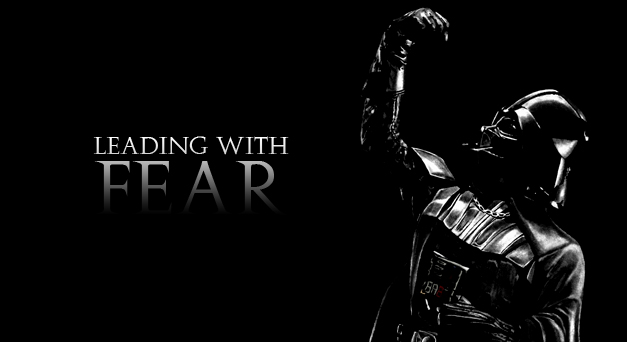
Why Fear-Based Leadership Still Exists — And Why It Must End?
I’ve seen it too many times: organizations where decisions are driven not by data or dialogue, but by fear. Leaders who believe that pressure creates performance, that silence equals alignment, and that control ensures results.
In the short term, it may even seem to work. People comply. Deadlines are met. No one challenges authority.
But over time, something far more damaging happens.
People stop thinking.
They stop speaking up.
And eventually, they stop caring.
Fear-based leadership doesn’t just weaken culture—it distorts reality. Information no longer flows upward honestly. Problems are hidden. Feedback disappears. Leaders begin making decisions based on filtered truths, not actual conditions. By the time issues surface, it’s often too late.
As a CEO, this is the real risk: not that people will fail—but that they won’t tell you when things are failing.
What many leaders underestimate is that performance is built on trust, not control. Research consistently shows that organizations with high levels of trust outperform others across productivity, engagement, and long-term growth. Yet trust cannot exist where fear dominates.
And let’s be clear—fear does not create accountability. It creates compliance. There’s a difference. Compliance delivers short-term results; accountability builds long-term value.
In today’s environment, where adaptability and innovation are critical, fear is not just ineffective—it is expensive. It kills creativity, slows decision-making, and pushes talent out the door.
The alternative is not “being soft.” It is being deliberate.
Great leadership is about creating an environment where:
- People feel safe to speak the truth
- Teams are encouraged to experiment and learn
- Accountability is paired with support
- Dialogue replaces assumption
This is what we call psychological safety—and it is not a luxury. It is a competitive advantage.
As leaders, we have a choice.
We can build organizations where people perform because they are afraid…
Or we can build organizations where people perform because they are committed.
Only one of these scales. Only one of these sustains.
And only one of these is worth leading.
Nguyen Tuan